
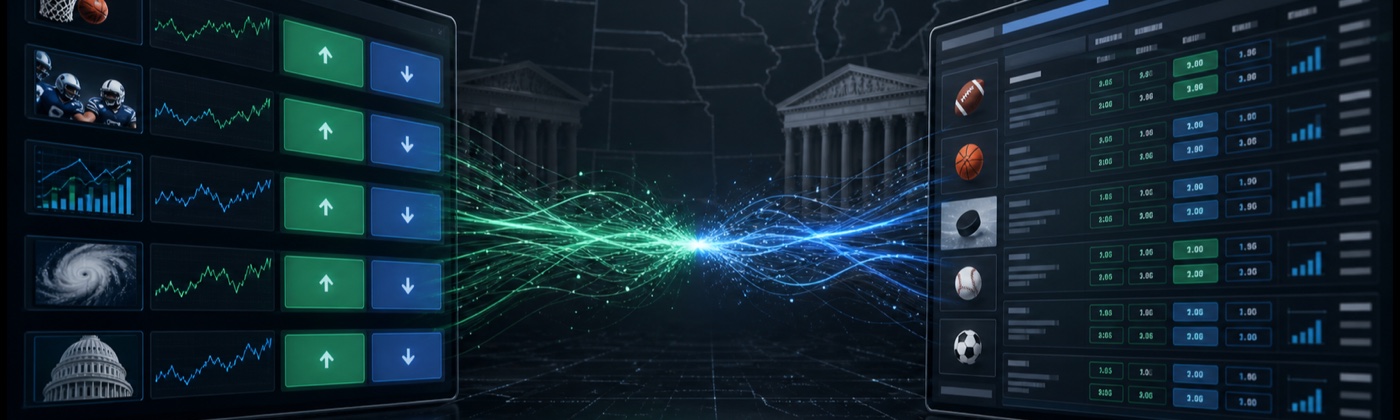
Спор регулирующих органов США по поводу контрактов на спортивные мероприятия приближается к потенциально определяющему критерию Верховного суда.
Непосредственная борьба ведется вокруг Калши, штат Нью-Джерси, и границы между федеральным надзором за деривативами и законом штата об азартных играх. Для iGaming более важен более широкий вопрос: останутся ли рынки прогнозов отдельным продуктом финансового рынка, будут ли они рассматриваться как ставки на спорт или будут развиваться в рамках гибридной структуры?
Что случилось?
Регулирующие органы штата утверждают, что продукты, связанные со спортивными результатами, подпадают под действие законодательства штата об азартных играх и не должны обходить требования лицензирования, защиты потребителей и честности.
Калши является назначенным контрактным рынком, регулируемым CFTC, и утверждает, что контракты на соответствующие события являются производными инструментами в соответствии с Законом о товарных биржах, что дает исключительную юрисдикцию CFTC.
В апреле 2026 года федеральный апелляционный суд подтвердил предварительный судебный запрет и установил, что Калши продемонстрировал разумную вероятность успеха по своему аргументу о преимущественном праве федерального правительства. Это не было окончательным решением по существу дела.
В иске судьям предлагается решить, могут ли штаты обеспечивать соблюдение правил азартных игр в отношении спортивных контрактов, предлагаемых на регулируемых на федеральном уровне рынках прогнозов. Недавнее решение Девятого округа по спору в Неваде указывает на иное направление, усиливая необходимость разъяснений на национальном уровне.
Поэтому спор выходит за рамки одного оператора. Он проверяет границу между заявляемой CFTC исключительной властью над рынками контрактов на мероприятия и полномочиями государственных и племенных регуляторов азартных игр контролировать продукты, которые могут выглядеть и вести себя как спортивные ставки.
Почему рынки прогнозов растут
Рынки прогнозов превращают результат будущего события в торгуемый контракт. Типичный рынок предлагает такие позиции, как «Да» и «Нет», при этом цены движутся по мере того, как участники переоценивают вероятность. Модель может выходить за рамки спорта и включать экономику, политику, развлечения, погоду и другие измеримые события.
Создала регулируемую на федеральном уровне биржу контрактов на мероприятия и стала центральной компанией в битве между штатами и федеральными юрисдикциями.
Помогал вывести рынки прогнозов в центральную политическую, медийную и культурную дискуссию, одновременно развивая регулируемую структуру рынка США.
Приобрёл компанию Railbird и разработал проект DraftKings Predictions, что свидетельствует о том, что признанные операторы спортивных букмекерских контор рассматривают событийную торговлю как стратегическую категорию продуктов.
Запустил Fanatics Markets и перешел к объединению приложений, включающих продукты для ставок на спорт, казино и прогнозы, где это разрешено.
Рост обусловлен широким охватом рынка, амбициями по национальному распространению, знакомыми интерфейсами торгового стиля и возможностью предлагать контракты на события в местах, где обычные онлайн-ставки на спорт могут быть недоступны. Этот последний момент также объясняет, почему проблема регулирования становится все более серьезной.
Рынки прогнозов и традиционные букмекерские конторы
| Область | Рынки прогнозов | Традиционные букмекерские конторы |
|---|---|---|
| Модель продукта | Участники обычно торгуют контрактами на мероприятия через биржевую или рыночную структуру. | Оператор принимает ставки, устанавливает или распределяет коэффициенты и управляет риском. |
| Регулирование | Основы Закона о CFTC и товарных биржах для зарегистрированных рынков; государственная власть остается оспариваемой. | Регулирование азартных игр на уровне штата или племени, лицензирование и правила для каждого рынка. |
| Объем рынка | Спорт плюс политика, экономика, культура, погода и другие объективно разрешимые события. | Спорт-ориентированные предматчевые, живые продукты, предложения, фьючерсы и экспресс-продукты. |
| Экономика | Торговые комиссии, спреды и ликвидность занимают центральное место в модели. | Держать, ценовая маржа, ответственность и эффективность торговли стимулируют экономику. |
| Инфраструктура | Жизненный цикл контракта, сопоставление заказов, рыночные данные, надзор, клиринг и расчеты. | Каналы коэффициентов, размещение ставок, лимиты, управление рисками, расчеты и контроль спортивной честности. |
Путь клиента может выглядеть все более похожим, но нормативный периметр, рыночная механика и операционные обязанности не являются взаимозаменяемыми.
Почему это важно для операторов iGaming
В течение многих лет дорожные карты многих операторов строились вокруг двух основных вертикалей: казино и букмекерской конторы. Рынки прогнозов вводят логику третьего продукта, другой путь регулирования и новый набор технических зависимостей. В то же время продукты sweepstakes продолжают демонстрировать спрос на альтернативные игровые модели в США.
Поэтому операторы начинают оценивать возможности, выходящие за рамки традиционного пакета «казино плюс букмекерская контора». Стратегический вопрос больше не заключается только в том, какую вертикаль запускать. Вопрос в том, сможет ли базовая платформа добавлять, удалять или изолировать продукты по мере изменения законов, лицензий и коммерческих приоритетов.
Рост многопродуктовых игровых платформ
Стратегия использования нескольких продуктов не означает, что все отрасли должны иметь одну и ту же лицензию, юридическое лицо или свод операционных правил. Это означает, что технологическая архитектура должна быть достаточно модульной, чтобы поддерживать общие возможности, где это необходимо, сохраняя при этом кошельки, элементы управления, отчетность и соответствие требованиям для конкретного продукта, где это необходимо.
Технологические проблемы
Один профиль клиента с правомочностью, разрешениями и элементами управления ответственным использованием для конкретного продукта.
Четкое разделение денежных средств, бонусов, валют лотереи, открытых позиций, рисков и расчетов.
Проверки возраста, личности, санкций, местоположения и доступа к продуктам применяются на правильном этапе.
Маршрутизация, контроль ввода и вывода средств, возвратные платежи, сверка и ограничения поставщиков.
Уведомления о ставках, манипулировании рынком, подозрительной активности, торговом поведении и оповещениях о добросовестности.
Доходы, сборы, обязательства, налоговый режим, нормативные записи и история аудита по конкретному продукту.
Правила, которые различаются в зависимости от продукта, юрисдикции, статуса клиента и нормативной базы.
Спортбук, контент казино, рыночные данные, платежи, KYC, CRM, системы обмена сообщениями и внешние отчеты.
Что будет дальше?
Верховный суд может принять ходатайство штата Нью-Джерси, отклонить его или дождаться развития новых дел. Тем временем CFTC занимается разработкой правил и судебными разбирательствами, штаты защищают свои полномочия в сфере азартных игр, а коммерческие платформы продолжают создавать продукты.
Окончательное судебное постановление может определить, будут ли контракты на спортивные мероприятия развиваться как национально распространяемый дериватив, будут ли они подвергаться контролю над азартными играми в каждом штате или потребуется новый баланс между двумя системами. Для операторов разумным ответом является планирование сценариев: создайте архитектуру, которая сможет адаптироваться, не предполагая, что сегодняшняя система регулирования останется неизменной.
Инфраструктура должна поддерживать более одной вертикали
Следующее поколение игровых платформ должно будет поддерживать более одной вертикали. Операторам все чаще требуется гибкая инфраструктура, способная интегрировать казино, букмекерские конторы, sweepstakes и новые модели ставок в рамках одной экосистемы.
Для этого требуется модульное ядро, настраиваемая логика игрока и кошелька, готовые к интеграции сервисы и отчеты, которые могут сохранить четкие границы продукта и юрисдикции. Цель – не объединить разные продукты в одну операционную модель, а предоставить операторам платформу, которая сможет развиваться вместе с рынком.
Изучите решения Frently
Запуск или замена инфраструктуры казино и букмекерских контор. Core Платформа
PAM, кошелек, бэк-офис, CMS, элементы управления и отчетность. Платформа лотерей
Двухвалютные поездки и лотереи. Управляемые службы
Оперативная поддержка по платформе, платежам, CRM и отчетности.
Обсудить многопродуктовую платформу
Источники и дополнительная литература
- Рейтер: Нью-Джерси берет Калши борьба рынка предсказаний с Верховным судом США
- Заключение третьего округа: KalshiEX LLC против Флаэрти
- CFTC: предварительное уведомление рынков прогнозов о предлагаемых нормах
- CFTC: Рекомендации по рынкам прогнозирования
- DraftKings: стратегия приобретения Railbird и рынка прогнозирования
- Фанатики: запуск рынков фанатиков
Эта статья представляет собой комментарий рынка, а не юридическую консультацию. Правила рынка прогнозов, ставок на спорт и sweepstakes быстро меняются. Прежде чем запускать или изменять продукт, операторам следует получить юридические и нормативные консультации для конкретной юрисдикции.
Поделиться: